Garden drainage in Norwood
If your lawn turns boggy after rain, paths stay slippery for days, or planting beds keep filling with water, you are not alone. Garden drainage in Norwood is a common need for homeowners, landlords, and businesses dealing with heavy rainfall, compacted soil, shaded borders, and older landscaped spaces that were never designed to move water efficiently. A well-planned drainage solution can make your garden easier to use, healthier for plants, and safer underfoot.
Norwood properties come in many forms, from Victorian terraces and converted flats with modest courtyards to semi-detached homes, newer developments, and commercial sites with shared outside space. Each one brings its own drainage challenge. Some gardens suffer because clay-rich ground holds water. Others have poor falls, broken pipes, blocked gullies, or patios that trap runoff. The right solution depends on the layout of the space, where the water is coming from, and how the area is used day to day.
Whether you need a simple soakaway, a French drain, channel drains for a patio, or a fuller redesign of the drainage layout, the goal is the same: move water away from the places where it causes damage and inconvenience. A local team familiar with Norwood’s property styles, access issues, and nearby road layouts can often assess the problem more efficiently and recommend a practical fix that suits the site.
Why drainage problems happen in Norwood gardens
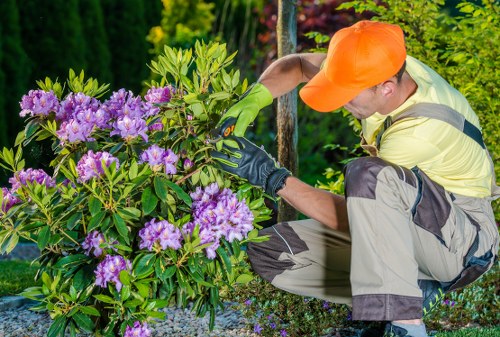
Waterlogging does not usually happen for just one reason. In many Norwood gardens, it is a combination of factors. The ground may be naturally slow to absorb water. Previous landscaping work may have altered the slope of the garden. Hard surfaces like paving, decking, or extensions may now direct more rain into one corner. In some cases, a cracked pipe, blocked surface drain, or overflow issue is the hidden cause.
Dense clay soil is a frequent culprit. It can be particularly noticeable after a wet spell, when water seems to sit on the surface instead of soaking in. Once a garden becomes compacted from foot traffic, deliveries, or building work, the problem can get worse. Poorly installed borders, raised planters, and impermeable surfaces can also stop water from escaping naturally.
Because Norwood includes a mix of residential streets, side returns, and commercially used yards, drainage problems can affect different spaces in different ways. A small rear garden may need discreet drainage beneath a patio. A rental property may need a reliable solution that keeps the space usable for tenants. A local business might need to reduce standing water near entrances, bin areas, or staff walkways. Understanding the exact setting is essential before any work begins.
Signs your garden needs drainage work

Some drainage issues are obvious, while others build up slowly over time. If you are unsure whether it is time to book an inspection, look for the common signs below. These are especially worth noting after heavy rain, during colder months, or when a garden starts to feel soggy for much of the year.
- Water pooling on lawns, paths, or patios
- Soft ground that sinks underfoot
- Moss, algae, or damp patches appearing repeatedly
- Plant roots struggling or rotting in borders
- Runoff collecting near the house, sheds, or garage walls
- Overflowing gullies, blocked drains, or unpleasant smells
- Soil erosion after rain
- Standing water that takes hours or days to disappear
If any of these sound familiar, it is worth arranging a proper assessment before the problem becomes more expensive to fix. Persistent water can damage paving, weaken foundations near outbuildings, spoil planting schemes, and make a garden difficult to use for family life or customer access.
Drainage solutions for different types of outdoor spaces

There is no single fix for every property. Good garden drainage in Norwood is usually tailored to the shape of the land, the amount of water entering the area, and the way the space is used. Some gardens need one clear intervention; others benefit from a combination of methods.
Common options include French drains, soakaways, land drains, permeable paving improvements, channel drains, drainage channels at patio edges, and grading or reshaping the ground so water flows in the right direction. In some cases, a simple clearance or repair is enough. In others, the garden may need a more considered design to prevent future issues.
For homes with paved seating areas, channel drains can capture surface water before it reaches the house or sits on the patio. For lawns that stay wet for long periods, a land drain or drainage trench may help move water away underground. Where space is tight, especially in smaller Norwood gardens, the best answer may be a compact soakaway or a discreet drainage route that keeps the finish neat while improving performance.
How a local drainage service typically works
A good drainage job starts with understanding the site, not with digging straight away. The first step is usually a visit to inspect where the water is coming from, where it is sitting, and how the ground falls. A local specialist will also look at existing hard landscaping, outbuildings, access points, and any visible drains or downpipes that may be contributing to the issue.
After the assessment, the next stage is to recommend the most suitable option for the property. That may involve clearing a blockage, improving the slope, installing a drain or channel, or designing a more complete drainage system. The aim is to balance practical performance with the look of the garden, especially where the outside space is part of a family home, rental property, or customer-facing business area.
Once the plan is agreed, work can be scheduled with the right materials and equipment. A local team is often better placed to plan around parking restrictions, narrow side access, shared driveways, and limited storage space for waste or materials. That kind of site awareness matters in Norwood, where many gardens are behind terraced houses, through side returns, or tucked behind commercial premises.
What is usually included in a drainage visit
A drainage service may include a range of practical steps depending on the site. These often include:
- Initial site inspection and problem assessment
- Checking visible drains, gullies, and downpipes
- Identifying ground levels and water flow patterns
- Advice on the most suitable drainage method
- Installation or repair of drainage components
- Careful reinstatement of disturbed soil or surface finishes
- Advice on aftercare and routine maintenance
Not every property needs all of these steps, but having a clear process helps customers understand what is being done and why. It also means the final solution is more likely to suit the garden in the long term.
Why local knowledge matters for Norwood properties
Choosing a local company for garden drainage in Norwood can make a real difference. Local teams are more likely to understand the patterns seen across nearby streets, the types of soil commonly encountered, and the practical issues that can slow down access or installation. That local familiarity helps with planning and can reduce avoidable delays.
In Norwood, many properties have limited front space, narrow side access, shared pathways, or parking constraints that affect how materials and equipment are brought onto site. Some homes are on busier roads where unloading must be handled carefully. Others have rear gardens that can only be reached through the house, which means extra care is needed when moving tools and waste.
Local knowledge also helps when a property sits near other areas with similar landscape conditions, such as Crystal Palace, West Norwood, South Norwood, Dulwich, or Streatham. While every site is different, drainage experience across nearby neighbourhoods can inform the best approach. This matters for both homes and commercial premises, where drainage must work reliably without causing disruption.
Common drainage methods used in gardens
Below are some of the more common solutions that may be recommended depending on the cause of the problem. The right choice will depend on ground conditions, available space, and the type of surface being protected.
French drains
A French drain is a trench filled with drainage aggregate and usually a perforated pipe. It helps collect and redirect excess water away from wet areas. This can be especially helpful in lawns, side returns, or along the edge of a patio where water tends to gather.
Soakaways
A soakaway allows water to disperse gradually into the surrounding ground. It is often used where there is room underground and the soil can absorb water at a suitable rate. This can be a strong option for managing runoff from downpipes, patios, or small hard landscaped spaces.
Channel drains
These are surface channels that collect rainwater before it spreads across paving. They are often used beside patios, driveways, thresholds, and walkways. In many Norwood gardens, they provide a neat and effective way to keep high-use areas drier and safer.
Land drainage
Land drainage systems are designed to move excess water away from lawns or planting beds. They can help where the soil stays wet for long periods, or where the garden has a natural hollow that traps water after rainfall.
Regrading and surface improvements
Sometimes the most effective answer is to adjust the slope of the garden so water naturally flows away from problem areas. This may be used on its own or alongside other drainage work. It is especially useful where past landscaping has left a low spot or an awkward fall toward the house.
Important: The right method depends on the site. A proper inspection is always better than guessing, because the wrong system can be ineffective or even make the issue worse.
Practical benefits of fixing garden drainage

Investing in drainage is not just about removing puddles. It can make the whole property more usable and easier to maintain. For families, this means children can play outside more safely and garden furniture is less likely to sit in damp conditions. For landlords, it can help improve the outdoor space without constant complaints about standing water. For businesses, it can create a cleaner, safer first impression and reduce the chance of muddy access routes.
Better drainage can also support plant health. When roots are not sitting in water for long periods, many shrubs, perennials, and lawn areas perform better. Paths and paving can last longer when water is not repeatedly freezing, collecting, or seeping into joints. A well-drained garden is usually easier to clean, easier to use, and more enjoyable through the year.
In some cases, the benefits are also structural. Reducing water pooling near the house, boundary walls, or outbuildings can help protect masonry and nearby finishes. While drainage is not a cure for every damp or structural issue, managing surface water properly is an important part of responsible property care.
What affects the cost of drainage work?
Customers often want to know what influences the price of a drainage project. Exact costs vary, but several practical factors usually affect the final quote. These include the size of the garden, the type of drainage system required, how easy it is to access the site, how much excavation is needed, and whether existing paving or planting must be lifted and reinstated.
The condition of the ground matters too. Soft, easy-to-dig soil is simpler to work with than compacted or heavily built-up ground. If a project involves removing waste through a narrow passage or carrying materials a long distance across the property, that can also affect the amount of labour involved. A site with existing drains that need repair or cleaning may be less complex than one that needs a brand-new system.
It is also worth remembering that different properties have different goals. A small domestic garden may only need a targeted fix, while a larger commercial yard or shared courtyard may need a more robust arrangement. The best way to understand likely costs is to request a tailored quote after a proper inspection.
Ways to prepare for a quote or site visit
If you are planning to request a drainage assessment, a little preparation can help the visit go smoothly. You do not need to do anything complicated, but the following steps are useful:
- Notice where water pools after rain and make a few quick notes.
- Take photos of the wet areas if the problem is intermittent.
- Clear access where possible, especially near side paths or gates.
- Move garden furniture, bins, or plant pots away from work areas.
- Check whether any nearby downpipes, drains, or gullies are visible.
- Think about how you use the space so the solution suits your needs.
Even simple details can help a drainage specialist work faster and recommend the right solution first time.
Garden drainage for homes, landlords, and businesses
Drainage needs vary depending on the type of property. Homeowners often want a garden that is safe, attractive, and usable throughout the year. Landlords may need a reliable solution that reduces maintenance issues and helps keep outdoor spaces manageable between tenancies. Businesses may need to keep entrances, service areas, and customer or staff access routes clear of standing water.
In Norwood, this can apply to a wide range of settings. A terraced house may have a narrow rear yard where a compact drainage solution is best. A family semi may have a long lawn that stays wet in one corner. A shop, office, school, community site, or hospitality venue may need an outdoor area that remains presentable and safe after rain. Each situation needs a practical approach, not a one-size-fits-all answer.
If your property is used frequently, drainage should be considered as part of the overall outdoor layout. That means thinking about where people walk, where water comes from, and where it should go next. The best systems are those that quietly do their job without becoming a visual distraction or a maintenance burden.
Areas covered around Norwood
A local service for garden drainage in Norwood can often cover nearby neighbourhoods and surrounding residential or commercial areas. That may include West Norwood, South Norwood, Upper Norwood, Crystal Palace, Dulwich, Streatham, and other nearby parts of South London where similar drainage and landscaping issues are common.
Covering nearby areas matters because garden access, parking, and property layouts can vary a lot from one street to the next. A team that regularly works in the local area is more likely to understand how to plan arrivals, manage materials, and complete work with less disruption.
Maintenance tips after drainage is installed
Once a drainage solution is in place, a little routine care will help it keep working properly. Most systems are low-maintenance, but they still benefit from occasional attention, especially after leaf fall, heavy rain, or gardening work that may disturb soil and surface debris.
- Keep gullies, grates, and channel drains clear of leaves and mud
- Check that downpipes are not blocked by debris
- Avoid compacting drainage areas with heavy pots or stored materials
- Watch for new puddles that could signal a fresh problem
- Trim back plants that might obstruct inspection points or covers
If something changes after installation, it is best to address it promptly. Small issues are usually easier to manage when they are caught early.
FAQs about garden drainage in Norwood
How do I know whether I need drainage or just better maintenance?
If the problem is occasional and linked to obvious debris, a simple clean or minor repair may be enough. If water pooling is regular, long-lasting, or affecting lawns, paving, or walls, you may need a drainage solution. A site visit is the best way to tell the difference.
Can drainage be installed in a small garden?
Yes. Many small Norwood gardens benefit from compact drainage systems. Limited space does not automatically rule out a solution; it simply means the system needs to be planned carefully.
Will drainage work change the look of my garden?
It depends on the system chosen. Some solutions are almost invisible once installed, while others, such as channel drains, remain visible but neat. A good installer will aim to keep the finish tidy and suited to the property.
How long does the work take?
Timing depends on the complexity of the job. Clearing a blockage or repairing a visible fault may be quicker than installing a full drainage system. A proper assessment will give you a better idea of the timescale.
Can drainage help with a patio that floods after rain?
Yes. Patios often benefit from channel drains, improved falls, or better connections to a soakaway or underground system. The right approach depends on how the surface is built and where the water is coming from.
Is drainage work suitable for rental properties?
Absolutely. Landlords often want outdoor spaces that are durable, manageable, and less likely to create recurring issues. A practical drainage fix can help preserve the condition and usability of the property.
Do you need to dig up the whole garden?
Not always. Some problems can be solved with targeted work in a specific area. The extent of excavation depends on the cause of the issue and the chosen solution.
Choosing the right local team
When you are looking for help with drainage, it is worth choosing a team that understands both the technical side and the practical realities of working on Norwood properties. You want someone who can assess the site carefully, explain the options clearly, and carry out the work with minimal disruption.
Look for a company that asks the right questions: Where does the water collect? When does it happen? What surfaces are involved? How is the garden used? Those questions matter because drainage is about solving a real problem in a real space, not just fitting a standard part.
Good drainage work should feel considered, neat, and tailored. That is especially important if the outdoor area is visible from the house, used by visitors or customers, or shared with neighbouring properties.
Ready to improve your garden drainage?
If you are dealing with standing water, saturated soil, or a patio that never quite dries out, now is a good time to take action. A proper drainage solution can make your garden safer, more attractive, and much easier to use throughout the year. Whether you need a small repair or a more complete system, the first step is a site assessment.
For reliable garden drainage in Norwood, request a tailored quote and speak to a local team that understands the area, the property types, and the access challenges that come with working on South London gardens. Contact us today, request a free quote, or book your service now to get started.
Quick summary of what customers usually want
Most people enquiring about drainage are looking for a straightforward answer to one of a few common problems: water pooling, soggy lawns, patio runoff, blocked gullies, or a garden that feels unusable after rainfall. The right service should identify the cause, recommend a sensible fix, and complete the work with care.
In short
Garden drainage in Norwood should be practical, discreet where possible, and designed around the way your property is actually used. With the right approach, you can turn a wet, frustrating outdoor area into a space that works far better day to day.