Landscaping Norwood: Creating Beautiful, Practical Outdoor Spaces That Work Year-Round
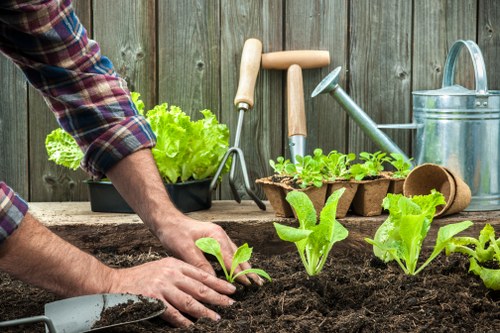 Landscaping Norwood is about more than planting flowers and laying turf. It is the thoughtful shaping of outdoor spaces so they look appealing, function well, and suit the lifestyle of the people who use them. In a suburb like Norwood, where character, comfort, and presentation matter, good landscaping can transform an ordinary yard into a space that feels welcoming, balanced, and valuable. From elegant front gardens to relaxing backyard retreats, the right landscape design blends beauty with practicality.
Many homeowners begin by wanting a garden that looks neat, modern, and easy to maintain. Others want a space that feels lush and established, with seasonal colour and interesting structure. Landscaping Norwood can achieve both. The best results come from understanding the site, the local climate, the architecture of the property, and how the space will actually be used. A well-designed landscape should never feel forced or overly complicated. Instead, it should feel like a natural extension of the home.
Norwood landscaping is also shaped by the surrounding environment. Tree selection, soil quality, sunlight, drainage, and paving materials all influence how successful a garden will be over time. A truly well-planned landscape considers not just the first impression, but how the space will perform across the seasons. That is why professional landscape thinking is so valuable: it helps create outdoor areas that remain attractive, resilient, and easy to enjoy.
Why Landscaping Matters for Norwood Homes
 The importance of landscaping in Norwood goes far beyond appearance. A carefully designed front or rear garden can improve how a property feels from the moment someone arrives. It can create privacy, guide movement, soften hard surfaces, reduce heat, and make outdoor living more enjoyable. For many homes, especially those with heritage features or strong street presence, landscaping becomes a defining part of the property’s identity.
A front garden in particular plays a major role in curb appeal. With the right planting structure, edging, and pathways, a home can appear more polished and inviting. Even modest spaces can be made to feel more substantial through smart design choices. In this sense, Norwood landscaping is not only about decoration; it is about presenting the home at its best. A balanced frontage can lift the entire look of the property.
Backyards can also be completely transformed through thoughtful design. Some homeowners want room for children or pets to play, while others want a peaceful area for entertaining, reading, or relaxing. Landscaping can define these areas without making them feel separate or cramped. Features such as garden beds, screened boundaries, paving, and lawn zones can all work together to create a backyard that feels intentional and easy to use.
Key Elements That Shape a Strong Landscape Design
Effective landscaping relies on a combination of elements working together. Plants alone do not make a garden successful, and neither do paving or timber features on their own. A strong landscape design brings together hardscape, softscape, texture, structure, and movement in a way that feels cohesive.
One of the most important elements is structure. Structural features include retaining walls, edging, garden borders, paved areas, fences, steps, and other built components. These elements give a landscape form and help guide how the space is used. In landscaping Norwood projects, structure often needs to complement the style of the home, whether it is classic, contemporary, or somewhere in between.
Plant selection is equally important. The right plants add colour, softness, fragrance, and seasonal interest. They can also create privacy, frame views, and reduce the harshness of built surfaces. A successful planting scheme usually includes a mix of trees, shrubs, groundcovers, and accent plants, chosen for their appearance and suitability to the conditions of the site. At the same time, the design should be practical, with plant varieties that can thrive without demanding excessive maintenance.
Designing for the Norwood Climate and Site Conditions
 Every landscape must respond to its environment, and that is especially true in Norwood. Climate, sun exposure, rainfall patterns, wind, and soil structure all affect how a garden grows and how durable it will be. A landscape that ignores these factors may look good at first but can quickly become difficult to maintain or expensive to repair. Good landscaping in Norwood starts with an understanding of the site.
Sunlight is one of the first things to consider. Some areas of a property may receive full sun most of the day, while others stay shaded by trees, fences, or the home itself. Plants should be selected according to these conditions. Sun-loving species can thrive in bright, open areas, while shade-tolerant plants are better suited to protected spaces. This simple match between plant and position is one of the foundations of successful landscaping Norwood homeowners can enjoy long-term.
Drainage also matters greatly. Poor drainage can lead to waterlogging, damaged plants, moss growth, and unstable surfaces. A well-designed landscape addresses this early, often with grading, permeable materials, suitable soil preparation, and smart water management. Likewise, the choice of paving, decking, and garden bed construction can influence how well the entire outdoor area stands up to weather and everyday use.
Front Yard Landscaping Ideas That Make an Impact
The front yard is often the first opportunity to shape how a home is perceived. A strong front garden should feel welcoming while also enhancing the architecture of the property. In Norwood, where many homes benefit from a sense of character and street appeal, front landscaping can make a remarkable difference.
Simple, clean lines often work well. Defined garden beds, symmetrical planting, and well-placed feature trees can create a polished look without overwhelming the space. For a softer and more natural aesthetic, layered planting and curved edges can provide movement and charm. The key is to make the front yard feel ordered, but not rigid. Landscaping Norwood projects often succeed when the design respects the home rather than competing with it.
Pathways, entry planting, and lighting can all improve the front approach. A neatly framed walkway helps direct visitors, while strategic lighting adds safety and atmosphere after dark. Low hedges, groundcovers, and ornamental grasses can also bring texture and seasonal variation. Together, these features create a front yard that feels complete and thoughtfully composed.
Backyard Landscaping for Relaxation and Everyday Living
Backyards in Norwood can serve many different purposes, and the best landscaping approaches are flexible enough to suit them. Some people want a quiet retreat surrounded by greenery. Others need a practical family space with durable surfaces and easy-to-care-for plantings. Many want both. The strongest backyard landscapes are designed around how people genuinely live, not just how a space looks in photographs.
Outdoor entertaining areas are often a focal point. Paved patios, seating zones, and shaded areas can create a comfortable setting for meals, gatherings, and casual evenings outside. When these elements are integrated with planting and lawn space, the backyard becomes more inviting and easier to use throughout the year. A well-considered landscaping Norwood design can turn even a simple yard into a multifunctional living area.
Privacy is another common priority. Screens, layered planting, trellises, and boundary treatments can provide a sense of seclusion without making the space feel enclosed. The best solutions usually combine hard and soft elements. For example, a fence can provide the basic boundary while climbing plants, shrubs, or small trees add softness and visual depth. This layered approach is especially effective in urban settings where outdoor privacy is highly valued.
Choosing Plants That Suit the Area
The success of any garden depends heavily on planting choices. In Norwood landscaping, the goal is to select plants that look good, suit the local conditions, and offer dependable performance. While trends may change, healthy plant selection remains a constant priority.
Trees are often used to create shade, structure, and scale. They can soften buildings, provide habitat, and help a landscape feel more established. Smaller ornamental trees may be suitable for compact spaces, while larger species can make a dramatic statement in broader gardens. Shrubs then fill the middle layer, adding mass, screening, and colour. Groundcovers help knit the garden together and reduce the amount of bare soil.
Native and climate-suitable plants are often a smart choice because they usually need less water and are better adapted to local conditions. However, a successful landscape is not limited to native plants alone. Many exotic or ornamental species can perform beautifully when matched correctly to the site. The best landscapes often combine both, creating contrast and interest while remaining practical. In every case, the planting plan should be guided by long-term growth, not just immediate appearance.
Hardscaping: The Framework of a Durable Landscape
 Hardscaping refers to the built components of a landscape, and it is essential to both function and design. Paths, paving, retaining walls, garden edging, steps, fences, and pergolas all help shape how the outdoor area looks and works. In landscaping Norwood projects, these elements often form the backbone of the entire design.
Paving is especially important because it influences circulation and usability. A well-laid path can make a garden feel connected and easy to navigate, while a patio can create a dedicated place for seating or dining. Materials should be chosen with care, not only for appearance but also for durability and maintenance. Natural stone, brick, concrete pavers, and timber each offer different visual qualities and practical advantages.
Retaining walls and raised beds are another important feature in many landscapes. They can help manage sloping ground, create level areas, and provide opportunities for layered planting. When designed well, these structural elements do more than solve a problem; they add visual interest and make the garden feel more refined. For homeowners seeking a tidy and functional outdoor setting, hardscaping is often the element that brings everything together.
Low-Maintenance Landscaping Without Sacrificing Style
Many people want a beautiful garden but do not want to spend every weekend maintaining it. Fortunately, low-maintenance design does not have to mean boring design. With smart planning, Norwood landscaping can be both stylish and manageable.
One of the best ways to reduce maintenance is to simplify the planting structure. Instead of overcrowding the garden with too many species, a more restrained palette can create a calm, cohesive look. Mulch helps suppress weeds and retain moisture, while drip irrigation or efficient watering systems can support healthy growth without waste. Durable edging and well-prepared beds also make upkeep easier by keeping everything neat and defined.
Artificial turf, gravel zones, and hardy groundcovers can also reduce mowing and watering needs in certain situations. These materials should be used thoughtfully so the space still feels natural and inviting. A balanced landscape does not eliminate maintenance entirely, but it makes care simpler and more predictable. That is often the most realistic and satisfying outcome for busy households.
Outdoor Spaces That Reflect the Home’s Character
The most successful landscapes feel like they belong to the property. They echo the style, scale, and personality of the home rather than looking unrelated or generic. In Norwood, where many properties have distinct architectural features, this is especially important. Landscaping should enhance the identity of the home and create a seamless transition between indoors and outdoors.
For classic homes, traditional planting styles, formal hedging, and elegant pathways may work well. For contemporary homes, clean lines, bold shapes, and minimalist planting may be more appropriate. Heritage properties may call for sensitive detailing that respects existing features, while renovated homes may benefit from a mix of old and new. Landscaping Norwood should always feel tailored, not copied from a template.
Colour also plays a role in this harmony. The tones of paving, timber, fencing, and planting should relate to the home’s exterior finishes. When these elements work together, the landscape feels integrated and intentional. This sense of coordination is often what separates an average garden from a truly memorable one.
Seasonal Interest and Year-Round Appeal
One of the hallmarks of a well-designed landscape is that it looks appealing in more than one season. A garden that only shines briefly can feel disappointing for the rest of the year. By combining plants and features with different seasonal qualities, Norwood landscaping can remain attractive in changing conditions.
Flowering plants provide colour and interest at specific times, while foliage plants offer consistency across the year. Evergreen shrubs help maintain structure, and deciduous trees can add autumn colour or seasonal shade patterns. Texture is also valuable. Leaves, bark, stems, and seed heads all contribute to the overall experience of the garden, even when flowers are not present. A landscape rich in variation tends to feel more complete and alive.
Layering for seasonal effect is a subtle but powerful design approach. By combining plants with different heights, forms, and growth habits, the garden remains dynamic throughout the year. This approach helps create movement and visual depth while ensuring the space continues to feel interesting in every season.
How Landscaping Adds Value Beyond Appearance
 A beautiful garden is pleasing in its own right, but landscaping can also add value in practical ways. It can improve how outdoor space is used, support better drainage, increase privacy, and make a property feel more complete. These benefits often matter as much as visual appeal, especially for homeowners thinking long term.
Well-designed landscaping can also support property value by improving presentation and usability. Buyers often respond positively to outdoor spaces that feel coherent, easy to care for, and ready to enjoy. Even when selling is not the immediate goal, it is reassuring to know that quality landscaping contributes to the overall strength of the property. In this sense, landscaping Norwood is both a lifestyle improvement and a smart investment in the home.
The real value of a landscape often lies in how it changes everyday life. It can create a place to rest, entertain, garden, or simply enjoy fresh air. It can make the arrival home feel more pleasant and the backyard feel more usable. These daily benefits build over time, which is why thoughtful landscaping is so worthwhile.
Bringing It All Together in a Cohesive Outdoor Space
The best outdoor spaces are not made from isolated features. They are made from a clear vision that balances plant life, structure, function, and style. Whether the project is a simple refresh or a complete transformation, the aim is always the same: to create a landscape that feels practical, beautiful, and suited to the property.
In Norwood, that often means considering how the garden will look from the street, how it will be used by the family, and how it will age over time. A good landscape should feel natural from day one, but it should also mature gracefully. That is why details such as soil preparation, plant spacing, drainage, and material selection are so important. They ensure the space is not only attractive now, but sustainable in the years ahead.
Landscaping Norwood works best when every choice serves a purpose. The most memorable gardens are often the ones where nothing feels unnecessary. Every path, plant, wall, and edge contributes to the whole. That sense of completeness is what makes outdoor spaces feel calm, elegant, and enjoyable.
Final Thoughts on Landscaping Norwood
Creating a great landscape is a process of combining aesthetics with everyday function. It requires attention to the site, the home, the climate, and the people who will use the space. When these factors are considered carefully, the result is an outdoor area that is not only attractive but genuinely rewarding to live with.
Norwood landscaping offers the opportunity to shape gardens that feel refined, welcoming, and enduring. From front yards that improve street appeal to backyards designed for comfort and relaxation, each project can be tailored to suit the property and the lifestyle it supports. The best gardens are not just seen; they are experienced, used, and appreciated every day.
Landscaping Norwood is ultimately about making outdoor spaces work beautifully. With the right planning, materials, and planting choices, a garden can become one of the most enjoyable parts of the home. It can provide shade, privacy, colour, texture, and calm while remaining practical and manageable. That combination of beauty and usefulness is what makes quality landscape design so valuable.